Hair loss is a widespread condition affecting millions of people globally, regardless of age or gender. It can influence self-confidence, social interactions, and overall mental well-being. The experience of hair thinning or baldness can be temporary or permanent, depending on its cause. Common triggers include genetic predisposition, hormonal changes, medical conditions, certain medications, poor nutrition, and environmental factors. Understanding these triggers is essential for identifying appropriate strategies to maintain hair health and manage hair loss effectively.
Introduction: Welcome to the Hair Loss Blog
Purpose of This Blog
The purpose of this blog is to provide trustworthy, research-backed information on hair loss. Many sources online provide conflicting or misleading advice, making it difficult for readers to make informed choices. This blog aims to simplify the information, highlight evidence-based treatments, and evaluate products critically. Readers will find expert guidance, practical tips, and information to help them take proactive steps toward healthier hair.
What Readers Can Expect
Visitors to this blog can explore various topics, including causes, preventive strategies, treatments, and product reviews. We cover both medical interventions and natural remedies, along with step-by-step advice for daily hair care routines. Readers will also have access to forums and community discussions, where shared experiences can help guide decisions. Topics include:
- Different types of hair loss and their symptoms
- Preventive measures to maintain hair density
- Overview of medical, natural, and cosmetic treatments
- Product evaluations and comparisons
- Expert opinions and scientific research summaries
- Community insights, real-life experiences, and discussion opportunities
Expert Guidance and Resources
Content in this blog is developed by healthcare professionals and reviewed for accuracy. Articles are informed by scientific studies, clinical trials, and years of practical experience in family medicine and dermatology. Reliable guidance ensures readers are aware of potential benefits and risks, helping them make decisions safely and confidently.
This blog provides a comprehensive guide for anyone affected by hair loss. Readers can expect detailed information on causes, treatments, preventive strategies, and product reviews. The blog combines expert insights with community experiences to create a reliable, practical resource.
Understanding Hair Loss
Types of Hair Loss
Hair loss presents in various forms, each with unique causes and patterns. Understanding these types is the first step toward selecting appropriate interventions. The most common forms include:
- Androgenetic Alopecia: Hereditary hair thinning affecting both men and women, often appearing as receding hairlines or thinning crowns.
- Alopecia Areata: An autoimmune disorder causing patchy bald spots on the scalp or other body areas.
- Telogen Effluvium: Temporary hair shedding triggered by stress, illness, surgery, or medications.
- Traction Alopecia: Hair loss caused by prolonged tension from tight hairstyles like braids or ponytails.
- Scarring Alopecia: Rare, permanent hair loss due to inflammation or skin disorders damaging hair follicles.
Causes and Risk Factors
Hair loss can result from a combination of genetic, hormonal, medical, and lifestyle factors. Genetics play a significant role in androgenetic alopecia, while hormonal changes such as pregnancy, menopause, or thyroid imbalances can disrupt hair growth. Other contributing factors include:
- Nutritional deficiencies (iron, zinc, biotin, protein)
- Chronic stress or anxiety
- Certain medications, including chemotherapy drugs
- Scalp infections or dermatological conditions
- Environmental factors such as pollution or harsh chemicals
Hair Growth Cycle
Understanding the hair growth cycle helps explain why hair loss occurs. Hair grows in three phases:
- Anagen (Growth Phase): Lasts 2–7 years; hair actively grows during this stage.
- Catagen (Transition Phase): Lasts 2–3 weeks; follicles shrink, and growth slows.
- Telogen (Resting Phase): Lasts about 3 months; old hairs shed naturally.
Disruptions in any phase can lead to noticeable thinning or shedding, depending on severity and duration.
Symptoms and Warning Signs
Recognizing early symptoms of hair loss allows for prompt intervention. Common signs include:
- Gradual thinning along the crown or hairline
- Widening of the hair part
- Excessive shedding during washing or brushing
- Sudden bald patches or clumps of hair on the pillow
Identifying patterns and triggers is essential for selecting effective treatments and preventive measures.
Understanding the types, causes, and growth patterns of hair loss equips readers to make informed decisions. Early recognition of symptoms and triggers helps guide treatment and preventive strategies.
Preventive Measures
Healthy Lifestyle Choices
A balanced diet and proper nutrition support healthy hair growth. Hair follicles require sufficient protein, vitamins, and minerals to maintain strength. Key nutrients include:
- Protein: Found in eggs, lean meats, legumes, and nuts
- Biotin (Vitamin B7): Supports hair structure; available in eggs, nuts, and leafy greens
- Vitamin D: Stimulates hair follicle growth; obtained from sunlight and fortified foods
- Iron and Zinc: Essential for oxygen transport and cell regeneration; found in meats, legumes, and seeds
- Omega-3 Fatty Acids: Promote scalp health; present in fish, flaxseeds, and walnuts
Proper Hair Care
Gentle hair care routines reduce breakage and scalp irritation. Tips include:
- Avoiding harsh shampoos with sulfates or parabens
- Using conditioners to maintain moisture
- Limiting heat styling tools such as blow dryers and flat irons
- Avoiding hairstyles that pull hair tightly, like braids or ponytails
- Regular scalp massages to improve blood circulation
Stress Management
High stress levels can trigger or worsen hair loss. Cortisol and other stress hormones disrupt the hair growth cycle. Stress-reducing strategies include:
- Meditation and mindfulness exercises
- Yoga and physical activity
- Adequate sleep and rest
- Relaxation techniques like deep breathing or journaling
Avoiding Harmful Habits
Certain habits accelerate hair thinning or damage. Harmful practices to avoid include:
- Excessive hair coloring or chemical treatments
- Frequent use of heat styling tools
- Smoking, which reduces blood flow to hair follicles
- Poor hydration and low nutrient intake
Preventive measures for hair loss involve nutrition, stress management, gentle hair care, and avoidance of damaging habits. Adopting these strategies supports stronger, healthier hair and may slow hair thinning.
Treatment Options
Topical Solutions
Topical treatments such as minoxidil can stimulate hair regrowth and slow hair loss. Minoxidil improves blood flow to the scalp and activates dormant follicles. Proper and consistent application over several months is required to see results.
Oral Medications
Prescription medications like finasteride are effective for certain types of hair loss. These medications reduce the hormone responsible for follicle shrinkage and thinning, particularly in men. Professional consultation is essential to monitor side effects and effectiveness.
Natural Supplements
Supplements with biotin, saw palmetto, and other nutrients support hair health. They address deficiencies that can contribute to hair thinning. Consistent use combined with proper diet may yield positive results over time.
Advanced Procedures
Clinical interventions include hair transplants, PRP therapy, and laser treatments. Hair transplants relocate follicles from dense to thinning areas. PRP therapy uses platelet-rich plasma to stimulate follicle growth. Laser treatments enhance circulation and follicle activity, supporting hair density.
Lifestyle Adjustments
Lifestyle changes enhance the effectiveness of medical treatments. Adequate nutrition, stress management, and gentle hair care routines improve outcomes and maintain long-term results. Combining treatments with daily habits creates a holistic approach to hair health.
Treatment options for hair loss include topical solutions, oral medications, supplements, advanced procedures, and supportive lifestyle changes. A combination of interventions often yields the best results.
Hair Loss Products Reviews
Shampoos and Conditioners
Choosing the right shampoo and conditioner supports hair strength and scalp health. Effective products often contain:
- Ketoconazole: Reduces inflammation and fungal growth
- Biotin: Strengthens hair structure
- Caffeine: Stimulates follicles
- Gentle, sulfate-free formulas to prevent additional damage
Serums and Topical Treatments
Hair growth serums enhance follicle activity and improve density. Popular ingredients include minoxidil, peptides, and essential oils. Regular, proper application is crucial for results.
Supplements and Nutritional Support
Oral supplements provide nutrients essential for hair growth. Vitamins, minerals, and herbal extracts address deficiencies, improve follicle health, and support overall hair density. Quality ingredients and scientific backing ensure effectiveness.
User Ratings and Comparisons
Product reviews and ratings provide guidance on effectiveness and satisfaction. Community feedback highlights strengths, weaknesses, and potential side effects. Lists and tables can simplify comparison, helping users select the most suitable products.
Hair care products, including shampoos, serums, and supplements, play a critical role in managing hair loss. Comparing user reviews and ingredient efficacy helps readers make informed decisions.
Community Insights and User Experiences
- Learning from others’ experiences provides practical guidance. Community members often share outcomes, challenges, and tips for managing hair loss effectively. Their stories help set realistic expectations for treatments and products.
- Active participation in forums fosters support and knowledge sharing. Users discuss product effectiveness, lifestyle adjustments, and treatment results. Peer-to-peer advice adds value beyond professional recommendations.
- Healthcare professionals provide answers to common questions. Expert input clarifies misconceptions, highlights risks, and confirms safe treatment practices. Reliable guidance ensures readers make informed choices.
- Community members often provide actionable daily hair care tips. Popular suggestions include natural remedies, scalp massage techniques, stress-reducing practices, and diet modifications that support hair growth.
Community insights combine personal experiences and professional guidance. Readers gain practical advice, support, and a sense of connection while learning about effective hair loss management strategies.
Conclusion
Recap of Key Points
Hair loss affects millions and can impact confidence, emotional health, and social interactions. Understanding causes, preventive measures, treatment options, and product choices is essential for effective management.
Role of the Blog
This blog serves as a reliable and comprehensive resource on hair loss. Articles, reviews, and community insights provide guidance on treatments, products, and healthy hair practices. Readers can explore evidence-based solutions and participate in supportive discussions.
Encouragement for Readers
Early intervention and consistent care increase the chances of positive outcomes. Proper nutrition, lifestyle adjustments, and timely treatments improve hair health and slow thinning. A proactive approach empowers individuals to take control of their hair.
Looking Ahead
Future updates will include new research, treatment advancements, and product evaluations. Ongoing content ensures readers remain informed about the latest trends and options in hair loss management.
The blog offers detailed information on hair loss causes, prevention, treatment, products, and community support. Readers are guided toward informed decisions, proactive care, and improved hair health through expert advice and shared experiences.
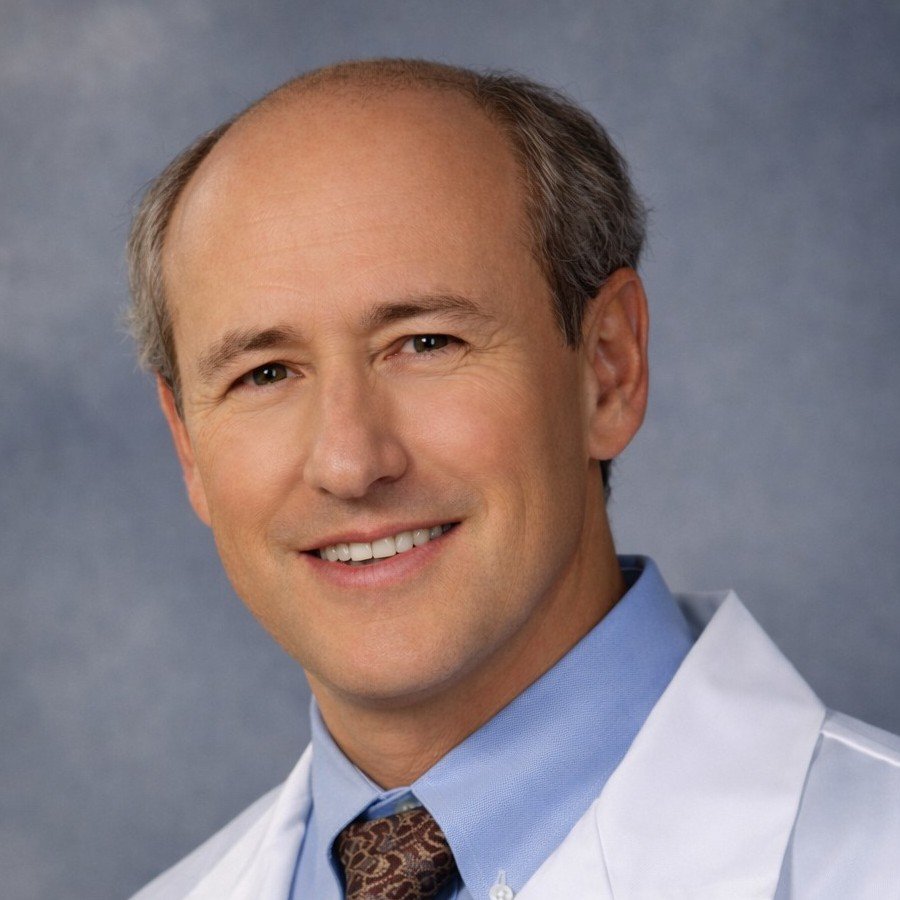
Dr. Jerry K is the founder and CEO of YourWebDoc.com, part of a team of more than 30 experts. Dr. Jerry K is not a medical doctor but holds a degree of Doctor of Psychology; he specializes in family medicine and sexual health products. During the last ten years Dr. Jerry K has authored a lot of health blogs and a number of books on nutrition and sexual health.